
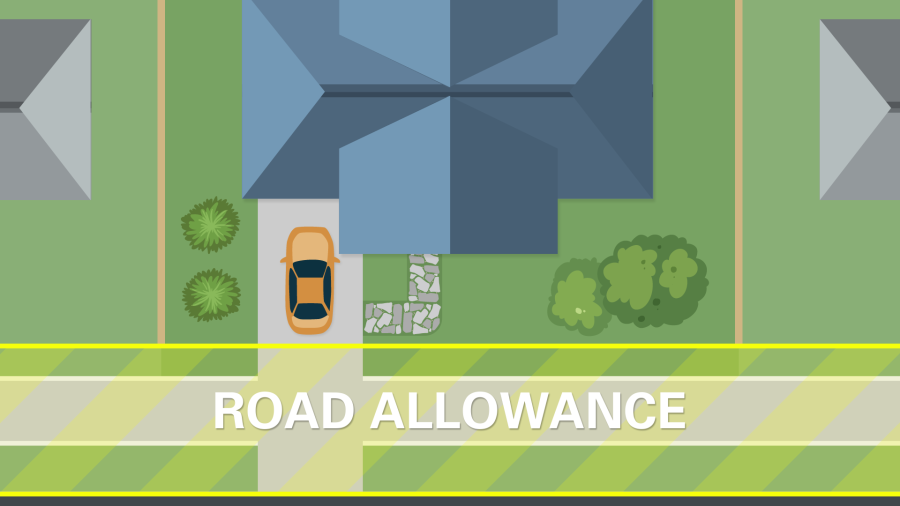
In Canada, the front yards of most houses are not actually owned entirely by the homeowners. Due to factors such as “road allowances” (https://www.ontario.ca/page/municipal-road-allowances), a section of the front yard near the road is actually owned by the government and temporarily unused. This allows the government and businesses to provide infrastructure such as water, electricity, gas and networks, as well as reserve potential future needs like road widening. Similarly, waterfront properties often have similar issues in the backyard area. Consequently, it is not difficult to understand that, according to legal provisions, residents of this area can pass through and landscape it, but they are not allowed to make any unauthorized alterations or construct any buildings.
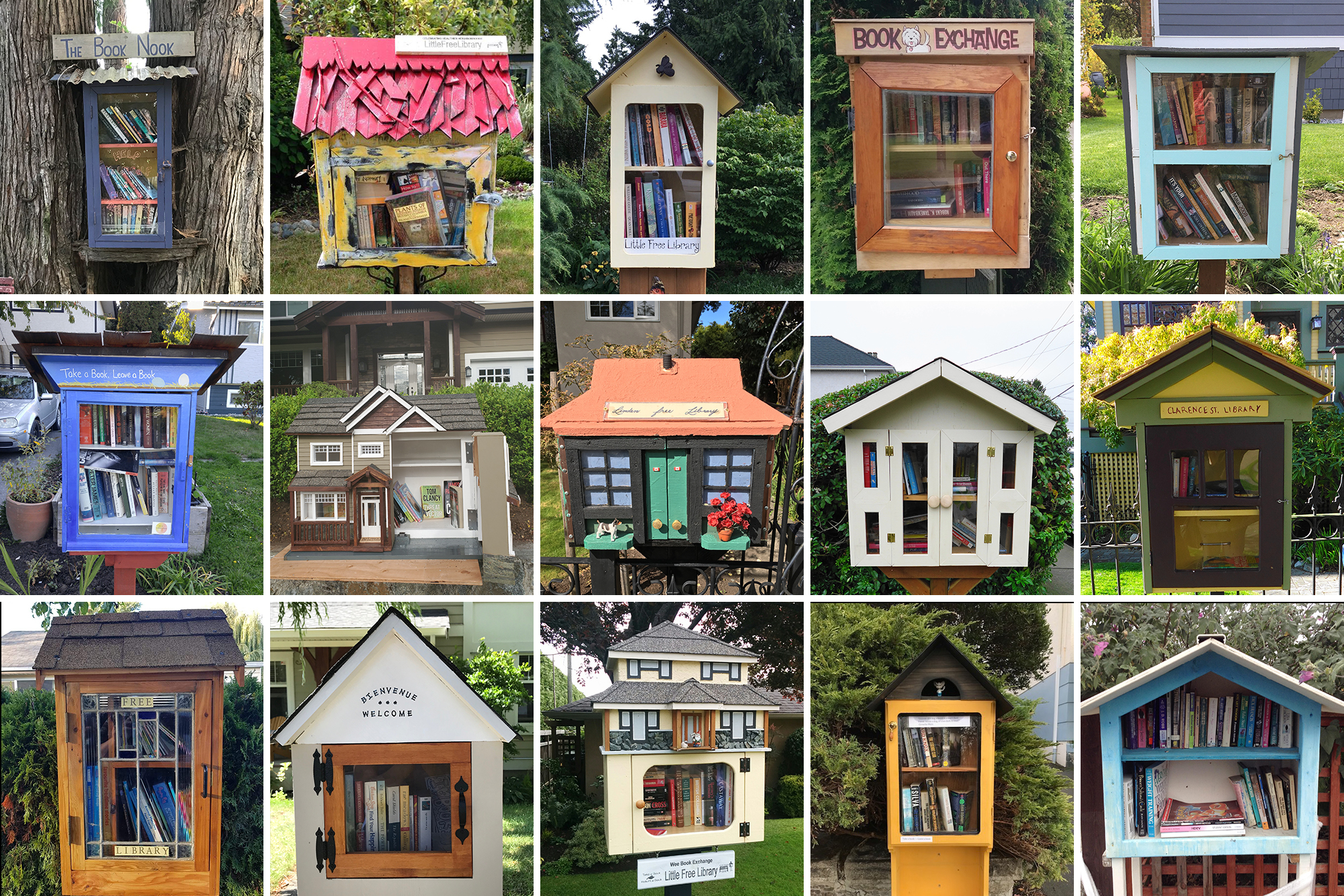
This brings up another issue where many locals in Canada like to set up a small self-serve library called “Little Free Library” in their front yards. These small book boxes are unattended, and people passing by on their way to work or school can take a book from the box, read it in their car, and return it when they are done or simply take it with them and replace it with another book. It’s pretty interesting and enjoyable. However, according to previous laws, this was actually considered illegal.
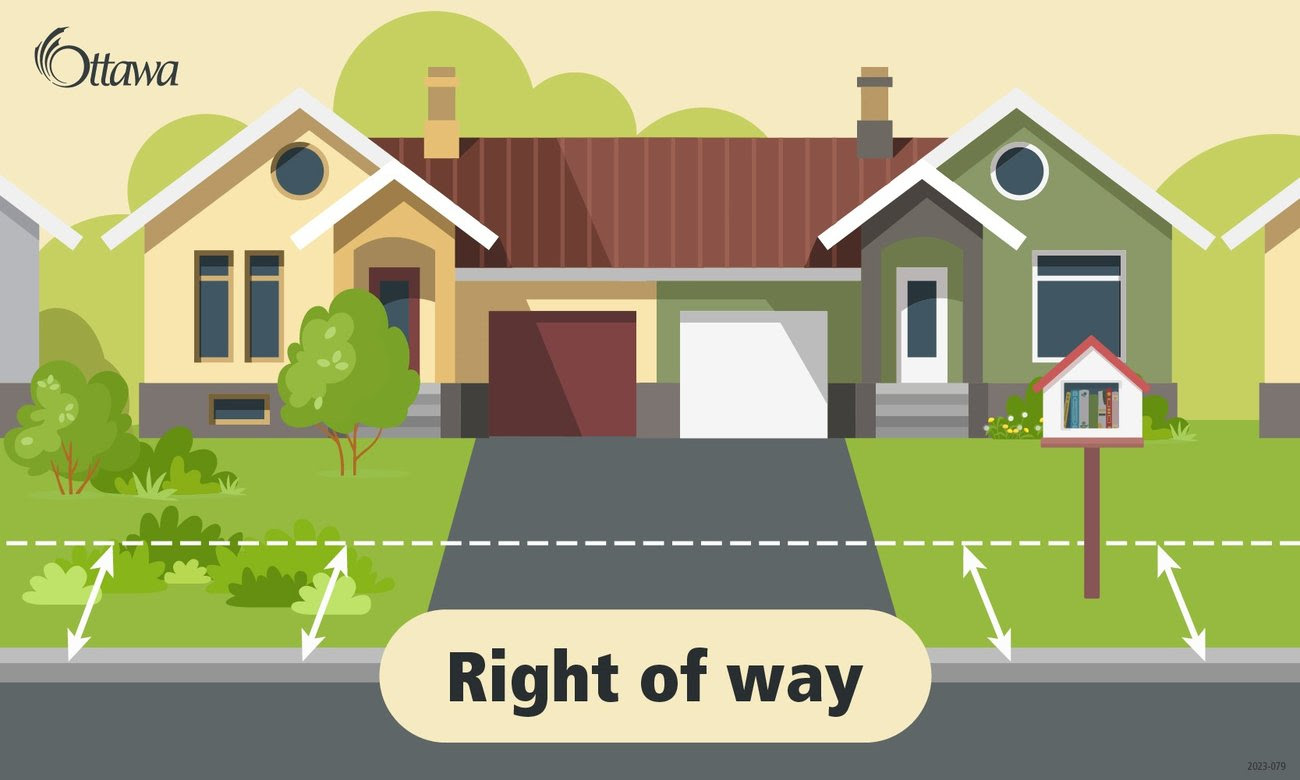
This has always been a controversial gray area. In 2022, Ottawa caused a stir when the city ordered homeowners to withdraw or dismantle their small libraries (https://ottawa.ctvnews.ca/bylaw-services-orders-ottawa-family-to-move-little-library-away-from-the-curb-1.5933654). This sparked extensive discussions in society, with many people feeling perplexed about the government’s strict enforcement and feeling “harmed” by it. However, within the following six months, the city slowly realized that it was a poor decision amidst significant public questioning. Their stance softened from handling each case based on the specific circumstances to temporarily not pursuing enforcement, and now they are considering fully regulating and opening up these little library boxes (https://www.cbc.ca/news/canada/ottawa/city-of-ottawa-ready-to-turn-the-page-regulate-little-library-boxes-1.6877884). If the bill passes, it will put an end to the related controversies that have been ongoing since 2016 (https://nationalpost.com/news/canada/ottawa-loves-little-free-libraries-as-long-as-theyre-nowhere-people-will-use-them) and provide legal protection for these small libraries.
This is actually a quite interesting small example. For someone like me who comes from China and grew up under the iron curtain of politics, this kind of social change driven by the community, sprouting from grassroots and eventually obtaining legal protection at the legislative level feels particularly surprising and gratifying. I’ve seen many discussions about immigrating to Canada not being a paradise, and I actually agree. Governments make mistakes and people have their moments of shortsightedness. Canada is definitely not a paradise, but compared to China, it can be considered earthly bliss while China is hellish. At least in terms of the rule of law, there is no doubt about it.
[[MORE]]
Image credits:
Canada’s biggest community of little free libraries has only grown stronger through COVID-19
Little free libraries are adorable—and impactful. Here’s how to build one in your neighborhood.